Layered Pathways: How Sequence Logic Mirrors Regional Narratives in Worldwide Chance Collections
Devon Keller · Jun 24, 2026
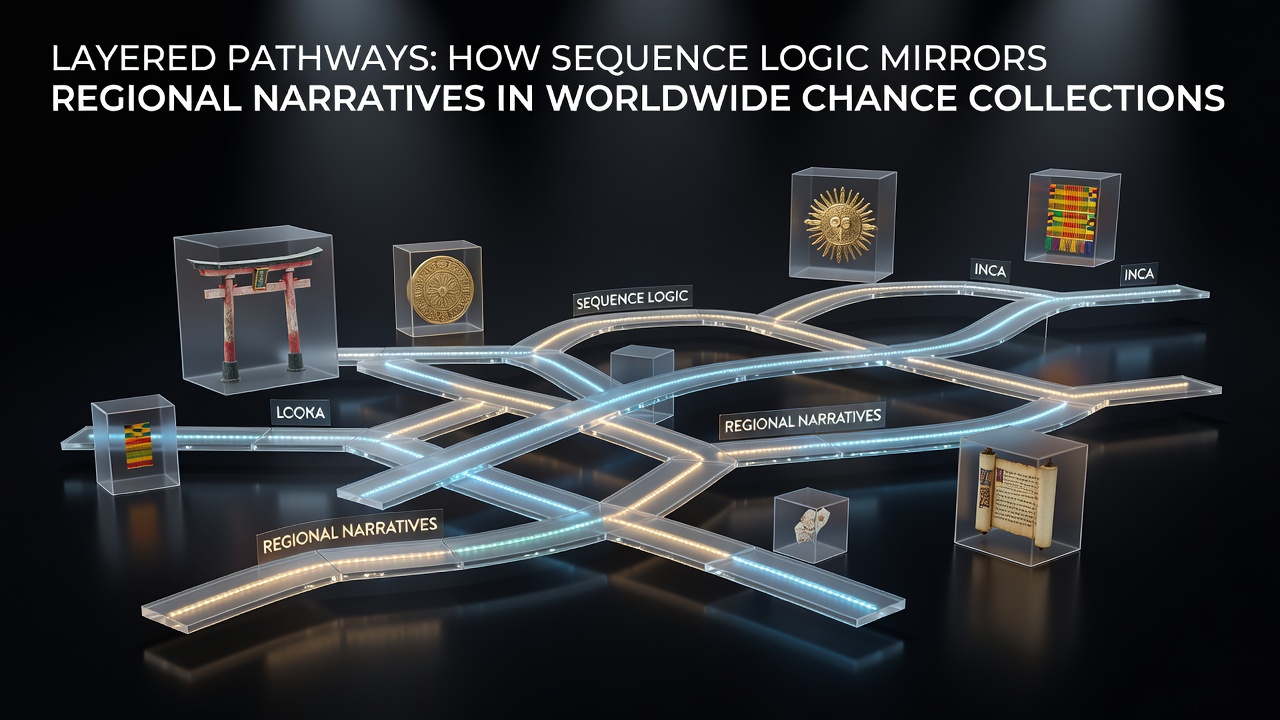
Layered Pathways: How Sequence Logic Mirrors Regional Narratives in Worldwide Chance Collections
Game developers build sequence logic into digital reel systems so that symbol progressions reflect storytelling traditions drawn from specific geographic areas, and this approach appears across worldwide collections of chance-based entertainment. Data from industry reports shows that reel arrangements often follow narrative arcs common in local folklore, with early symbols establishing settings, middle sequences introducing conflicts, and final combinations resolving outcomes in patterns that echo regional myths.
Regional Symbol Progressions in Global Libraries
Design teams incorporate sequence structures that align with cultural storytelling methods, and researchers have documented these patterns in collections spanning multiple continents. In Asian-themed libraries, for instance, symbol orders frequently progress through phases that mirror epic journey tales, while European-inspired catalogs use linear sequences reminiscent of fairy tale structures where each reel advance builds toward a moral resolution. Observers note that North American regional motifs often feature circular progressions that return to starting points, reflecting indigenous narrative cycles preserved in oral traditions.
Studies from academic sources indicate that these mirrored sequences influence bonus trigger rates, with data revealing higher activation frequencies when logic paths follow familiar regional story beats. Collections maintained by major studios now catalog over 5,000 titles that embed such logic, and figures from June 2026 show continued expansion as developers add new regional variants to existing libraries.
Mechanics That Encode Narrative Layers
Sequence algorithms connect adjacent symbols through weighted probabilities that prioritize certain progressions, and this creates pathways where players encounter story-like developments without explicit text. Payline constructions often follow routes that parallel traditional plot movements in source cultures, such as ascending orders in Middle Eastern collections that trace heroic ascents or descending patterns in Latin American designs that depict descent into underworld realms. Those who analyze code structures find that random number generators receive modifiers tied to regional folklore databases, ensuring that rare sequences align with climactic story moments documented in local histories.
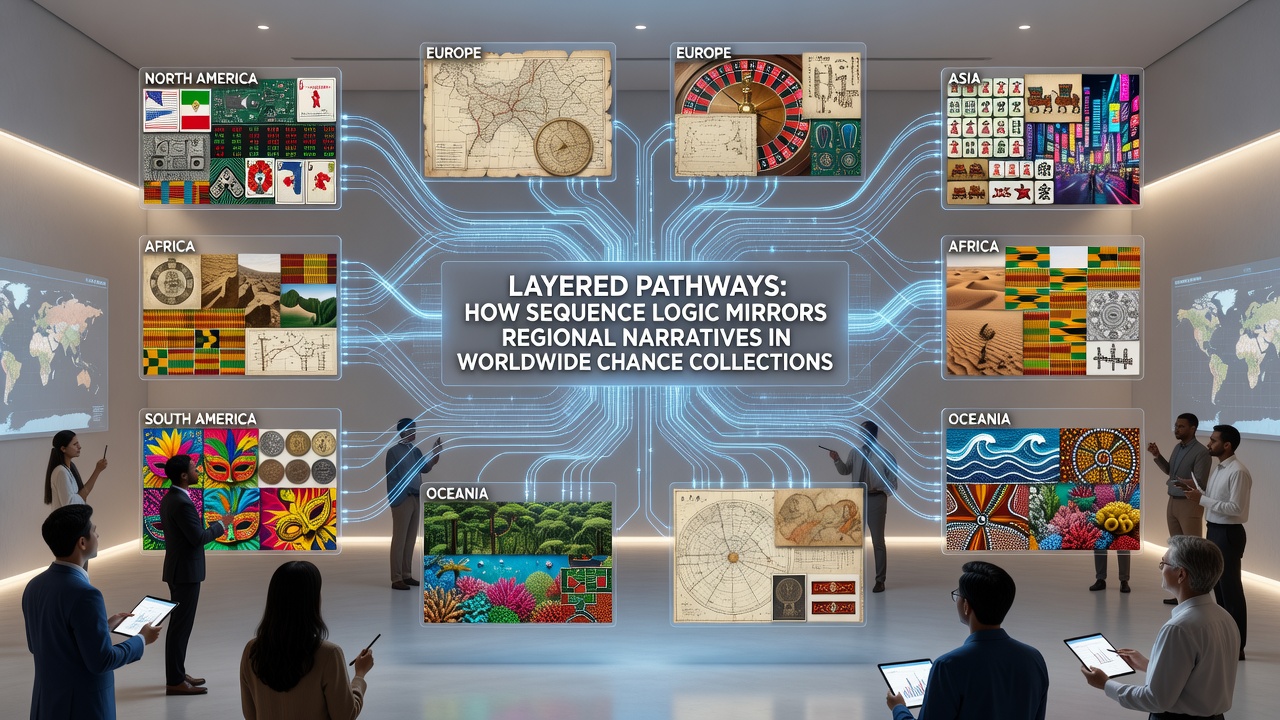
Industry analyses from the American Gaming Association highlight how these layered mechanics appear in licensed collections distributed across regulated markets, with updates through June 2026 incorporating additional narrative layers from Pacific Island traditions. External reviews confirm that such integrations maintain compliance standards while preserving the mechanical integrity of chance outcomes.
Cross-Regional Adaptations and Library Growth
Collections expand through adaptations that blend sequence logic from multiple regions, yet maintain distinct narrative cores for each original source. Developers draw from documented folklore archives to calibrate reel weights, and this results in hybrid titles where primary sequences honor one regional arc while secondary paths introduce elements from adjacent cultures. Reports compiled by the Asia Pacific Gaming Association track these adaptations, showing that library sizes grew by measurable percentages in the first half of 2026 as studios released titles featuring interwoven but clearly sourced narrative sequences.
One documented case involved a studio that mapped Maori journey sequences onto standard five-reel frameworks, producing progression rates that matched oral history cadences recorded in ethnographic studies. Similar efforts in other collections demonstrate consistent application of these principles across varied regulatory environments.
Conclusion
Worldwide chance collections continue to evolve through sequence logic that directly mirrors regional narratives, supported by ongoing data collection and design refinements observed into June 2026. These structures provide measurable connections between mechanical outcomes and cultural storytelling frameworks, as evidenced in library catalogs and compliance reports from multiple geographic sources. Further expansions will likely follow established patterns of narrative integration while adhering to existing technical standards.