Mapping Anatolian Heritage Elements into Interactive Reel Mechanics through Specialized Gaming Resource Networks
Petra Butler · Jul 6, 2026
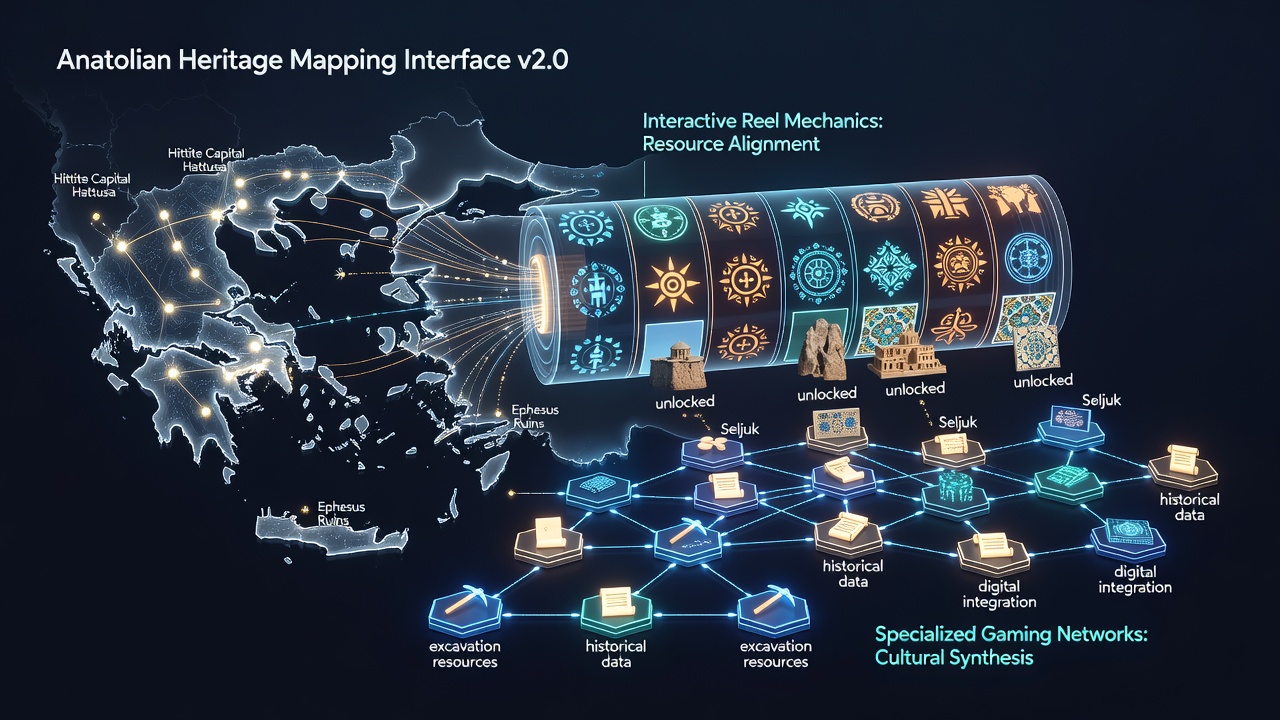
Mapping Anatolian Heritage Elements into Interactive Reel Mechanics through Specialized Gaming Resource Networks
Specialized gaming resource networks have begun mapping Anatolian heritage elements such as Hittite motifs, Seljuk geometric patterns, and Byzantine tile designs directly into interactive reel mechanics for digital slot platforms, and developers access these through structured databases that catalog cultural assets alongside technical specifications for symbol placement, bonus triggers, and payout sequences.
These networks compile digitized archives from archaeological records and folk traditions across central Turkey then translate them into reel algorithms where a traditional kilim rug border might function as an expanding wild while an ancient coin emblem serves as a scatter that activates free spin rounds based on historical trade route narratives.
Network Structures and Data Integration Methods
Resource platforms organize Anatolian elements into layered datasets that link visual components to mechanical outcomes, and one system developed through collaborations between Turkish cultural institutions and European gaming software firms allows developers to query databases for specific symbols then receive code snippets that adjust reel volatility according to the element's historical significance, whereas simpler motifs receive standard payline assignments but more complex architectural features like Cappadocian rock formations trigger cascading mechanics.
Figures from industry reports show increased adoption rates in 2025 with further expansions noted during July 2026 developer summits held in Istanbul, and participants reviewed updated mapping protocols that incorporated feedback from regional historians to refine how elements such as Phrygian fibula jewelry translate into multiplier features without altering core random number generator functions.
Examples of Heritage to Reel Translations
Take one documented case where a network supplied resources for a game featuring Anatolian carpet weaving patterns, and these became reel-stacking symbols that connect adjacent positions during base play while their color variations, drawn from natural dye traditions, determined different bonus round intensities according to data from partnered research facilities in Canada.
Another implementation mapped the layout of the ancient city of Ephesus onto a progressive jackpot pathway, and players advance through sequential reel stages that mirror the site's agora and library structures with each completed stage unlocking higher tier rewards based on aggregated play statistics from similar titles released earlier in the decade.
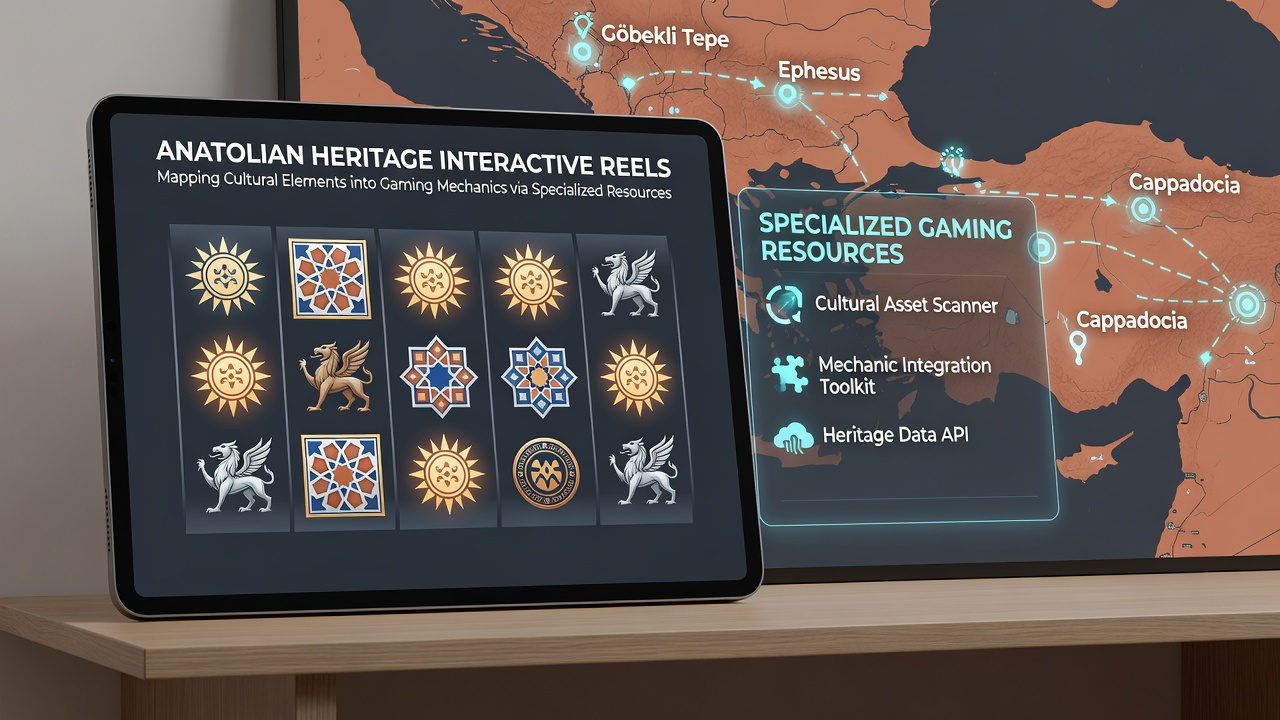
Observers note that such translations maintain compliance with international gaming standards while preserving the original proportions and symmetries of the heritage sources, and testing protocols require multiple validation rounds to confirm that cultural accuracy does not interfere with certified return-to-player percentages.
Regional Collaborations and Technical Standards
Gaming associations across different continents contribute to these networks by sharing best practices on cultural asset handling, and a report from an Australian research institute highlighted successful integrations where Anatolian pottery fragments informed the design of respin features that lock certain reel positions while others continue to spin in patterns reminiscent of wheel-thrown ceramics.
European Union funded projects have established metadata standards that tag each heritage element with attributes for animation complexity, sound layering options, and interaction frequency, which enables developers from varied studios to implement consistent reel behaviors across multiple titles without duplicating research efforts.
Data indicates steady growth in titles utilizing these mapped resources, and regulatory bodies in several jurisdictions review the implementations during certification processes to verify that historical representations remain respectful and accurate according to source materials provided by the networks themselves.
Future Directions in Resource Network Expansion
Updates scheduled for late 2026 include expanded modules for interactive storytelling components drawn from Anatolian epics, and these will allow reel sequences to branch based on player selections that echo decision points in traditional tales while still relying on underlying probability frameworks maintained by the hosting networks.
Partnerships with academic repositories continue to add new elements such as lesser-known Lydian coinage designs that convert into high-value symbols with attached historical context pop-ups available in game interfaces for players who opt to view them.
Conclusion
Specialized gaming resource networks provide systematic pathways for translating Anatolian heritage into reel mechanics, and ongoing refinements through international collaborations ensure these integrations support both cultural preservation goals and technical performance requirements in digital gaming environments.