Phase One Construction Milestones Signal Shifting Dynamics in Tribal Resort Gaming Infrastructure
Sofia Vogel · Aug 3, 2026
Phase One Construction Milestones Signal Shifting Dynamics in Tribal Resort Gaming Infrastructure
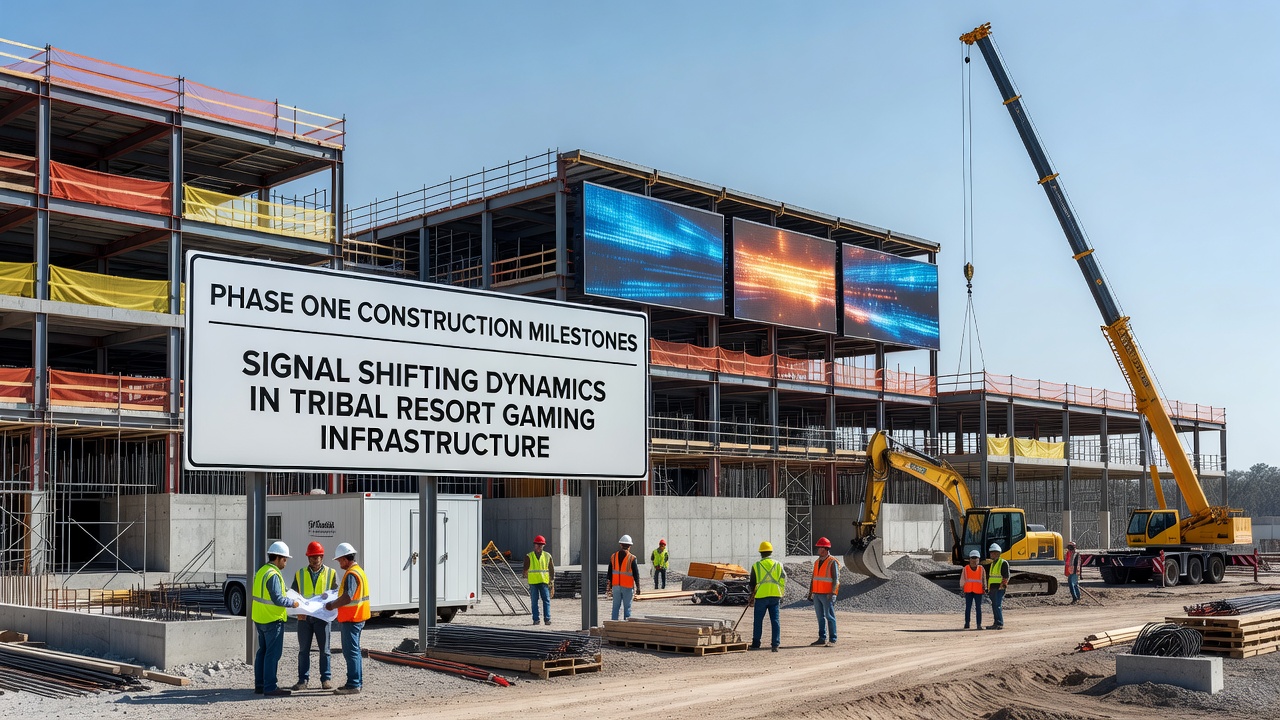
Construction teams across multiple tribal gaming properties reached key phase one benchmarks during the summer of 2026, and these achievements highlight broader changes in how tribal nations approach resort development. Developers completed foundation pours, utility installations, and initial structural framing on schedule at several sites, which allows subsequent phases to advance without major delays. Observers note that these milestones coincide with increased investment in non-gaming amenities such as conference centers, outdoor recreation areas, and hospitality upgrades designed to attract longer-stay visitors.
Regional Projects Advance on Parallel Timelines
Tribal resorts in the western and southwestern United States moved forward with coordinated construction schedules, and project managers coordinated concrete deliveries alongside steel framing crews to maintain momentum. In California, one property finalized its parking structure and began erecting the main resort tower shell by late July, whereas facilities in Oklahoma completed site grading and stormwater management systems earlier in the month. These parallel efforts reflect a pattern where tribes leverage existing gaming revenue streams to fund infrastructure that supports year-round tourism rather than seasonal peaks alone.
Data from the National Indian Gaming Commission shows tribal gaming revenue reached $41.2 billion in fiscal year 2025, and that figure continues to support capital expenditures for physical expansions. Project leads at multiple sites report that phase one work includes reinforced foundations capable of supporting multi-story hotel additions, and they have integrated electrical conduits for future technology upgrades during the same excavation phase. Such combined approaches reduce later retrofit costs while accelerating overall timelines.
Infrastructure Shifts Emphasize Mixed-Use Design
Design documents released for several projects reveal a move toward mixed-use layouts that combine gaming floors with retail corridors and entertainment venues, and these plans emerged after tribes conducted market analyses showing demand for destination experiences. Construction crews in August 2026 poured the final sections of elevated walkways connecting new hotel wings to existing casino buildings, which marks a visible transition from standalone gaming halls to integrated resort environments. Engineers incorporated energy-efficient HVAC systems and water recycling infrastructure from the outset, elements that align with tribal sustainability goals documented in recent planning reports.
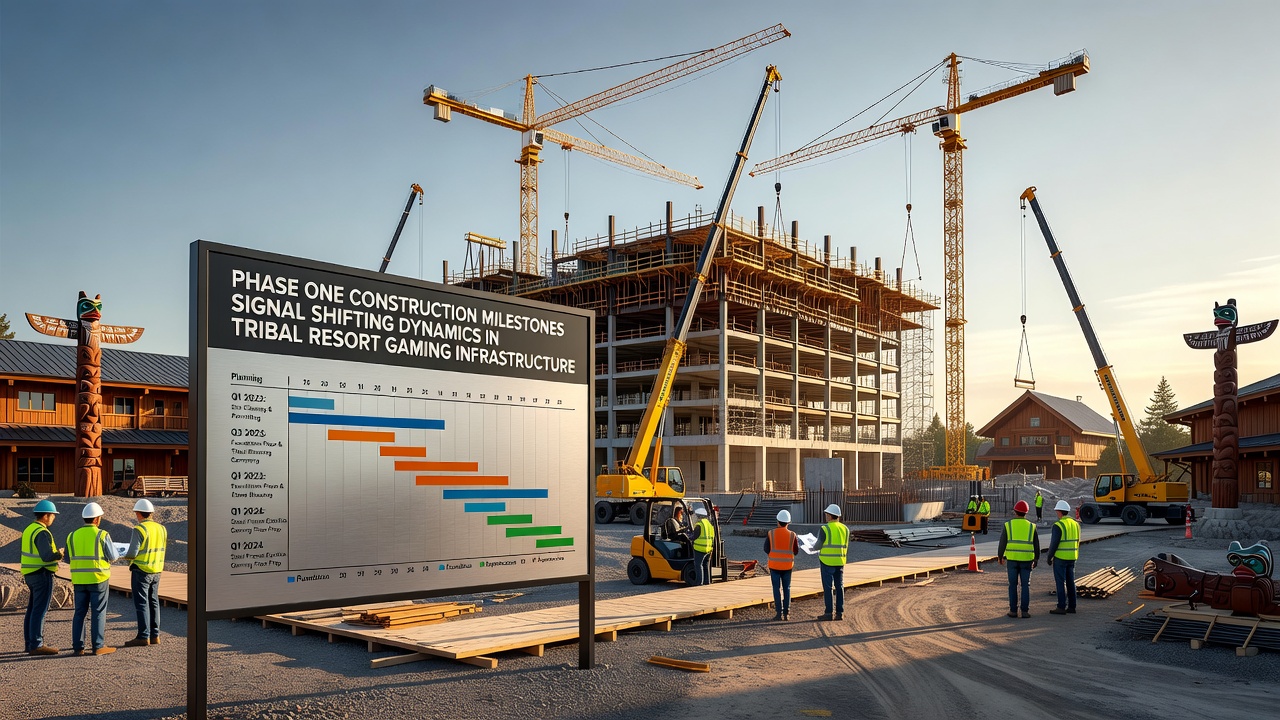
Supply chain coordination played a central role in keeping these milestones on track, and contractors sourced regional materials to minimize transportation delays while meeting federal environmental review requirements. One development team completed underground utility tunnels ahead of schedule in early August, and this early finish enabled electrical subcontractors to begin cable pulls for both gaming and non-gaming areas simultaneously. Those who've tracked similar projects over the past decade observe that such sequencing improvements shorten overall build times by several months compared with earlier expansions.
Economic and Regulatory Context Shapes Next Steps
State-tribal compacts renewed in 2025 and 2026 include provisions for expanded facilities, and these agreements often tie additional gaming positions to commitments for local job training programs and infrastructure contributions. Construction milestones therefore carry implications beyond the physical site, as completed phase one elements trigger review processes that unlock subsequent funding tranches. According to figures compiled by the National Indian Gaming Association, tribes allocated approximately 18 percent of gaming revenues to capital improvements during the most recent reporting period, a share that supports continued resort-style development.
Academic researchers at institutions including the University of Nevada, Las Vegas have documented how tribal resorts increasingly function as regional economic anchors, and their studies link physical expansions to measurable increases in surrounding employment and tourism metrics. Phase one completions in 2026 position properties to capture post-pandemic travel recovery while preparing for longer-term demographic shifts in visitor preferences. Project timelines now incorporate buffer periods for regulatory inspections, and these adjustments help avoid the cascading delays observed in earlier construction cycles.
Conclusion
Phase one construction milestones reached in August 2026 demonstrate how tribal resort operators balance gaming operations with broader hospitality infrastructure, and the resulting developments continue to reshape competitive positioning within regional markets. Completed foundations, utility networks, and structural framing provide the base for mixed-use expansions that emphasize visitor retention through diversified amenities. As subsequent phases advance, these projects will offer further data points on how infrastructure investments influence revenue diversification and community economic outcomes across tribal gaming jurisdictions.