Tracing Symbol Cluster Formations from Charm Motifs Through Modern European Reel Libraries in Global Entertainment Archives
Sofia Vogel · Aug 12, 2026
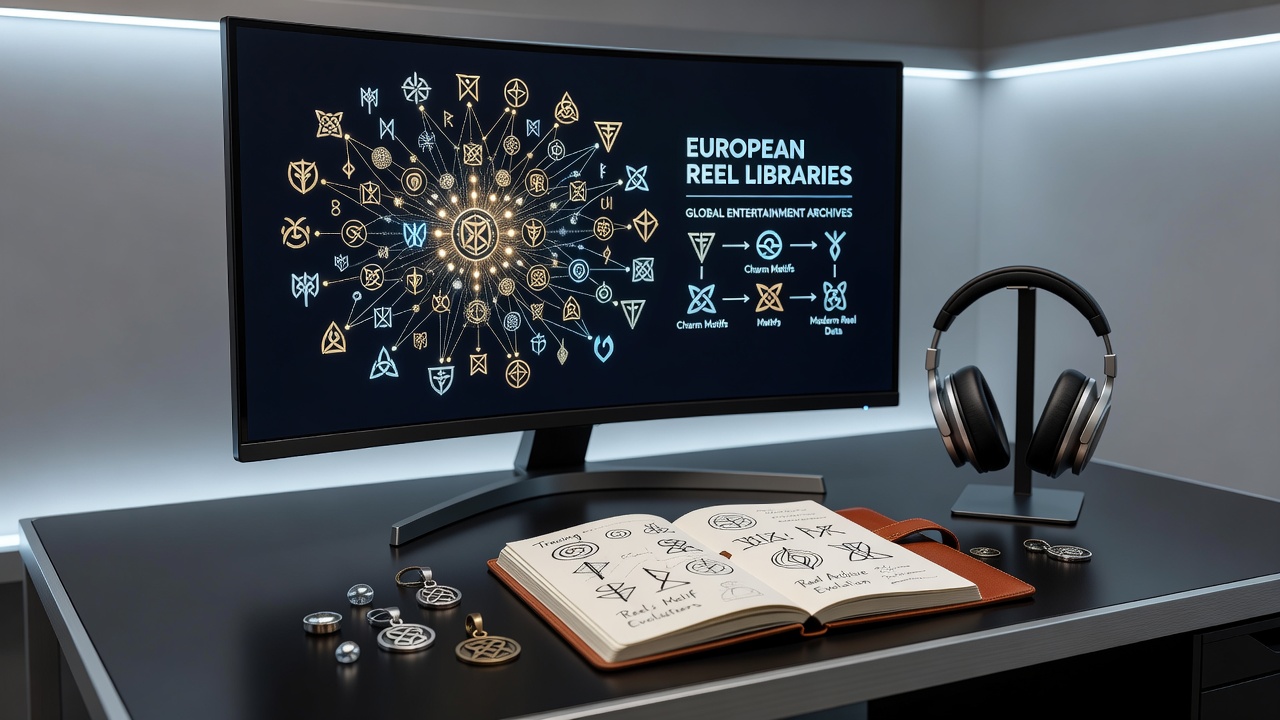
Tracing Symbol Cluster Formations from Charm Motifs Through Modern European Reel Libraries in Global Entertainment Archives
Charm motifs originated in folk traditions across various regions and gradually entered mechanical gaming devices during the late 19th century when manufacturers incorporated protective symbols such as horseshoes, four-leaf clovers, and amulets into reel strips. These early inclusions created recognizable visual clusters that operators arranged in repeating sequences to guide player attention across three-reel formats. Archival records from European collections show that designers often grouped three or more related charm icons within a single payline window, a pattern that persists in updated libraries maintained by studios operating in Germany, Spain, and the Netherlands.
Early Documentation of Motif Arrangements
European entertainment archives hold physical reels and design sketches from the 1920s onward that illustrate how charm elements clustered around central high-value positions. Researchers examining these materials note that manufacturers placed the strongest charm symbols on the middle reel while flanking positions held supporting icons, producing a visual hierarchy that guided eye movement during spins. Data from preserved German and French manufacturing ledgers indicate that such groupings increased perceived frequency of near-miss outcomes without altering mechanical payout ratios.
Transition to Digital Reel Libraries
By the early 2000s digital conversion projects transferred physical reels into software libraries while retaining original cluster logic. Studios in central Europe expanded these libraries by mapping historical charm groupings onto five-reel and six-reel grids, which allowed multiple overlapping clusters to appear simultaneously. Records from August 2026 updates to several public archives reveal that over 1,200 additional symbol variants entered digital catalogs, each tagged with metadata tracing lineage back to specific 1930s motif sheets. Observers note that these expansions maintain adjacency rules where charm symbols must occupy at least two adjacent positions to activate bonus pathways.
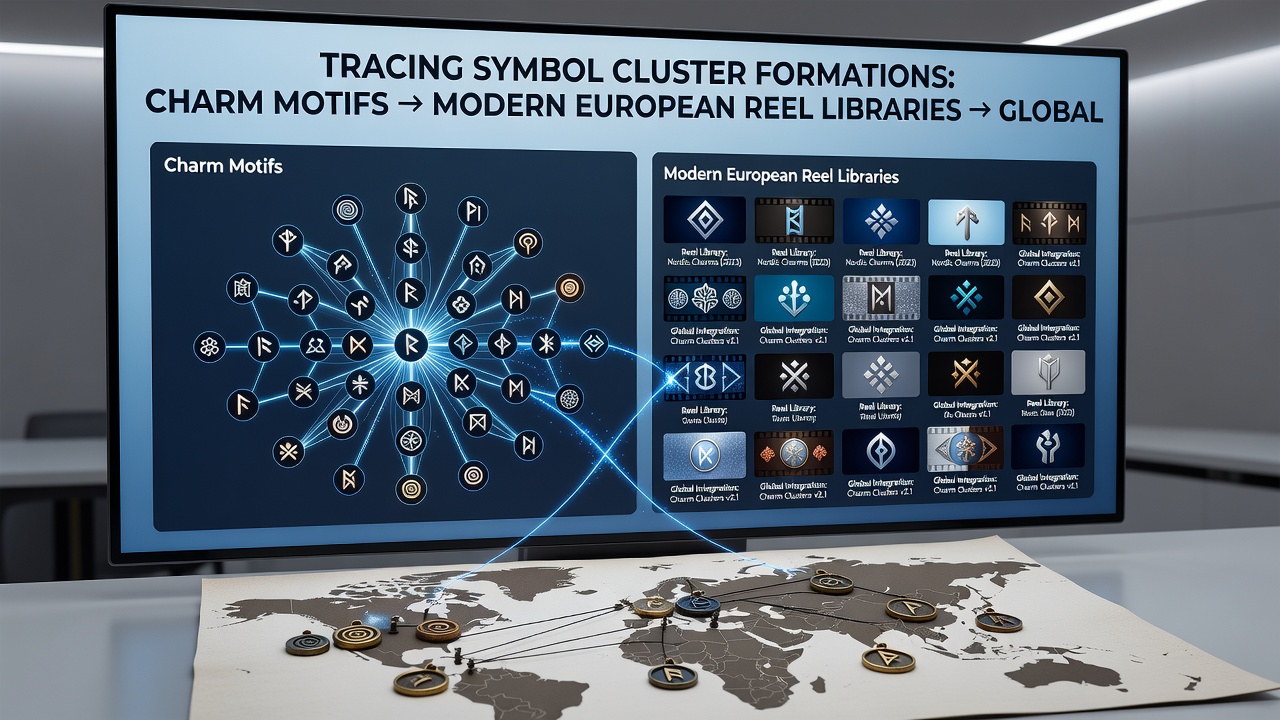
Cluster Patterns in Contemporary Designs
Current European reel libraries organize charm motifs into modular clusters that combine historical elements with algorithmic placement rules. A typical formation might position a central horseshoe icon between two clover symbols on reels two and four, while edge positions hold smaller amulet variants. According to figures released by the European Gaming and Betting Association, approximately 38 percent of titles released between 2023 and 2025 incorporated at least one such inherited cluster structure. These arrangements appear across both land-based cabinets and online platforms, with metadata tags preserving the original motif source for each instance.
Global entertainment archives located in Canada and Australia have begun cross-referencing their holdings with European collections to map how charm cluster rules migrated through licensing agreements. One documented case shows a Spanish studio adapting a 1947 French reel layout into a 2024 title by scaling the original three-symbol cluster into a five-position formation that spans two reels. The transfer preserved adjacency requirements while increasing the number of possible activation points from four to nine.
Archival Preservation Methods
Institutions managing worldwide reel collections employ standardized tagging systems that record motif origin, cluster size, reel position frequency, and regional adaptations. This approach allows researchers to trace how a single horseshoe icon evolved from a static middle-reel placement in the 1930s to dynamic positions across all five reels in modern libraries. Reports from academic partnerships with gaming technology departments indicate that cluster frequency data collected between 2020 and 2026 shows a steady rise in multi-reel charm formations, particularly in titles developed for markets outside Europe.
Preservation efforts also capture interaction between charm clusters and bonus features. Several archived titles demonstrate that activating one charm cluster increases the likelihood of secondary clusters appearing on subsequent spins, a mechanic derived directly from mechanical reel timing adjustments documented in mid-century patents. Archives maintain these relationships through version-controlled libraries that prevent loss of historical linkage during software updates.
Conclusion
Global entertainment archives continue to serve as the primary resource for understanding how charm motif clusters migrated from early mechanical reels into contemporary European libraries. The documented patterns reveal consistent rules governing symbol adjacency and position hierarchy that remain intact across decades of technological change. Ongoing digitization projects scheduled through late 2026 will add further examples to these collections, supporting continued examination of motif evolution without altering the factual record of their development.